Episodios

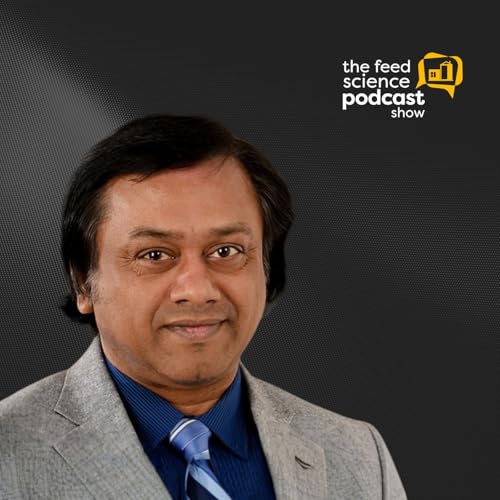
  • Dr. Keith Warriner: Biofilm Risks In Feed Mills | Ep. 146
    Apr 15 2026

    In this episode of The Feed Science Podcast Show, Dr. Keith Warriner, Professor of Food Microbiology at the University of Guelph, explains how biofilms impact food and feed safety. He explores dry biofilms in low-moisture environments, their resistance to sanitation, detection challenges, and mitigation strategies for feed mills. Practical insights highlight risks like Salmonella persistence and evolving control methods. Listen now on all major platforms!


    "Biofilms develop over time as structured communities of bacteria that produce protective substances, allowing long term survival on surfaces despite repeated sanitation efforts."


    Meet the guest: Dr. Keith Warriner is a Professor of Food Microbiology at the University of Guelph, where research focuses on food safety, sanitation, and contamination control in food systems. With over two decades of experience, work includes biofilm behavior, risk assessment, and applied industry solutions to improve safety in low moisture environments.


    Liked this one? Don’t stop now — Here’s what we think you’ll love!


    What will you learn:

    • (00:00) Highlight
    • (01:07) Introduction
    • (02:47) Biofilm basics
    • (05:14) Dry biofilms
    • (08:17) Detection challenges
    • (14:56) Mitigation strategies
    • (17:30) Intervention methods
    • (23:19) Final Questions


    The Feed Science Podcast Show is trusted and supported by innovative companies like:


    * Evonik

    * Kemin

    * BinSentry

    * DietForge


    𝗟𝗶𝘀𝘁𝗲𝗻 𝗼𝗻 𝗔𝗽𝗽𝗹𝗲 𝗣𝗼𝗱𝗰𝗮𝘀𝘁𝘀, 𝗦𝗽𝗼𝘁𝗶𝗳𝘆 𝗼𝗿 𝗮𝗻𝘆 𝗺𝗮𝗷𝗼𝗿 𝗽𝗹𝗮𝘁𝗳𝗼𝗿𝗺.

    Website: The Feed Science Podcast Show

    Instagram: The Feed Science Podcast Show

    LinkedIn: The Feed Science Podcast Show

    Más Menos
    25 m
  • Dr. Michael Joseph: Extrusion vs Pelleting | Ep. 145
    Apr 8 2026

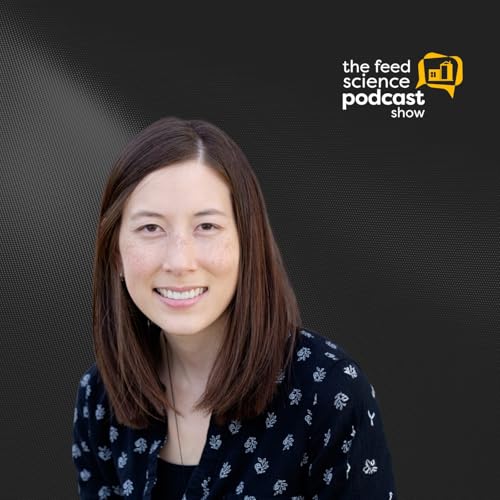
    In this episode of The Feed Science Podcast Show, Dr. Michael Joseph, Assistant Professor and Extension Specialist at NC State University, explains how extrusion processing enhances digestibility, feed safety, and shelf life across animal nutrition sectors. He compares extrusion and pelleting, addresses protein denaturation, alternative proteins, and probiotic application strategies. Listen now on all major platforms!


    “In extrusion, we have the complete cooking of the process, so that helps with the digestibility of the product.”


    Meet the guest: Dr. Michael Joseph is an Assistant Professor and Extension Specialist in the Prestage Department of Poultry Science at NC State University. With over 12 years of experience in food and feed extrusion, his work focuses on byproduct utilization, processing optimization, and sustainable feed solutions. His research advances upcycling strategies that improve nutritional value and reduce environmental impact.


    Liked this one? Don’t stop now — Here’s what we think you’ll love!


    What will you learn:

    • (00:00) Highlight
    • (01:05) Introduction
    • (04:45) Extrusion versus pelleting
    • (08:44) Heat moisture shear
    • (12:48) Feed safety benefits
    • (15:54) Protein denaturation
    • (17:18) Alternative proteins
    • (22:34) Final Questions


    The Feed Science Podcast Show is trusted and supported by innovative companies like:


    * DietForge

    * Evonik

    * Kemin

    * BinSentry


    - VAL-CO


    𝗟𝗶𝘀𝘁𝗲𝗻 𝗼𝗻 𝗔𝗽𝗽𝗹𝗲 𝗣𝗼𝗱𝗰𝗮𝘀𝘁𝘀, 𝗦𝗽𝗼𝘁𝗶𝗳𝘆 𝗼𝗿 𝗮𝗻𝘆 𝗺𝗮𝗷𝗼𝗿 𝗽𝗹𝗮𝘁𝗳𝗼𝗿𝗺.

    Website: The Feed Science Podcast Show

    Instagram: The Feed Science Podcast Show

    LinkedIn: The Feed Science Podcast Show

    Más Menos
    28 m
  • Elizabeth Willard: AI in Feed Monitoring | Ep. 144
    Apr 1 2026

    In this episode of The Feed Science Podcast Show, Elizabeth Willard, Director of Product at BinSentry, explains how real-time feed bin monitoring and artificial intelligence help prevent out-of-feed events in poultry and swine operations. She discusses slide management issues, predictive notifications, and measurable improvements in feed conversion ratio. Learn how better feed visibility improves operational efficiency and animal performance. Listen now on all major platforms!


    “Modern poultry and swine genetics are optimized for rapid growth and feed efficiency under consistent feeding conditions, making interruptions more disruptive than many operations realize.”


    Meet the guest: Elizabeth Willard holds a B.A.Sc in Systems Design Engineering from the University of Waterloo and an MBA from Wilfrid Laurier University. As Director of Product at BinSentry, she leads development of feed inventory monitoring solutions that improve efficiency, reduce feed interruptions, and strengthen supply chain visibility for animal production systems.


    Liked this one? Don’t stop now — Here’s what we think you’ll love!


    What will you learn:

    • (00:00) Highlight
    • (01:17) Introduction
    • (06:40) Out of feed risks
    • (11:20) Slide management issues
    • (17:36) AI feed monitoring
    • (19:48) Predictive refill alerts
    • (24:42) Feed conversion impact
    • (27:25) Final Questions


    The Feed Science Podcast Show is trusted and supported by innovative companies like:


    * BinSentry


    * DietForge

    * Evonik

    * Kemin

    - VAL-CO


    𝗟𝗶𝘀𝘁𝗲𝗻 𝗼𝗻 𝗔𝗽𝗽𝗹𝗲 𝗣𝗼𝗱𝗰𝗮𝘀𝘁𝘀, 𝗦𝗽𝗼𝘁𝗶𝗳𝘆 𝗼𝗿 𝗮𝗻𝘆 𝗺𝗮𝗷𝗼𝗿 𝗽𝗹𝗮𝘁𝗳𝗼𝗿𝗺.

    Website: The Feed Science Podcast Show

    Instagram: The Feed Science Podcast Show

    LinkedIn: The Feed Science Podcast Show

    Más Menos
    29 m
  • Dr. Dejan Miladinovic: Physical Feed Performance | Ep. 143
    Mar 25 2026

    In this episode of The Feed Science Podcast Show, Dr. Dejan Miladinovic, Associate Professor and Head of the Centre for Feed Technology at the Norwegian University of Life Sciences, explains why physical feed quality matters as much as nutritional formulation. He discusses pellet durability, particle size, water stability, and their impact on the performance of poultry, swine, and aquaculture. Dr. Miladinovic highlights the economic and environmental consequences of poor feed quality and practical ways to improve outcomes. Listen now on all major platforms!


    “The way the feed is produced, the texture of the feed, the particle size, durability, and stability can make or break animal performance.”


    Meet the guest: Dr. Dejan Miladinovic is an Associate Professor and Head of the Centre for Feed Technology at the Norwegian University of Life Sciences. His work focuses on feed processing, pellet quality, extrusion, and physical feed characteristics affecting animal performance. With extensive experience in feed technology and quality control, his research supports more efficient and sustainable feed production.


    Liked this one? Don’t stop now — Here’s what we think you’ll love!


    What will you learn:

    • (00:00) Highlight
    • (00:51) Introduction
    • (01:56) Feed quality basics
    • (04:49) Physical quality
    • (07:09) Durability testing
    • (10:59) Poultry impact
    • (15:13) Aquatic feeds
    • (20:18) Final Questions


    The Feed Science Podcast Show is trusted and supported by innovative companies like:


    * BinSentry

    * DietForge

    * Kemin

    * Evonik


    - VAL-CO


    𝗟𝗶𝘀𝘁𝗲𝗻 𝗼𝗻 𝗔𝗽𝗽𝗹𝗲 𝗣𝗼𝗱𝗰𝗮𝘀𝘁𝘀, 𝗦𝗽𝗼𝘁𝗶𝗳𝘆 𝗼𝗿 𝗮𝗻𝘆 𝗺𝗮𝗷𝗼𝗿 𝗽𝗹𝗮𝘁𝗳𝗼𝗿𝗺.

    Website: The Feed Science Podcast Show

    Instagram: The Feed Science Podcast Show

    LinkedIn: The Feed Science Podcast Show

    Más Menos
    26 m
  • Dr. Virginie Lachapelle: Compliance & Risk | Ep. 142
    Mar 18 2026

    In this special re-run episode of The Feed Science Podcast Show, we bring back our conversation with Dr. Virginie Lachapelle from the University of Montreal, who breaks down the challenges of risk assessment in the feed industry. She covers everything from facility risk classification to the importance of industry collaboration and effective data collection, sharing a Canadian perspective on today’s regulatory practices. Discover actionable insights for improving feed safety and balancing compliance with real-world risk management. Tune in now on your favorite podcast platforms!


    "The Canadian Food Inspection Agency collaborated with academia, government, and industry experts to ensure risk assessment tools are relevant to the Canadian context."


    Meet the guest: Dr. Virginie Lachapelle earned her DVM and PhD in Veterinary Sciences in Microbiology from the Université de Montréal. She serves as a veterinary science specialist at the Canadian Food Inspection Agency, developing risk assessment models for feed establishments. As an associate professor, her work focuses on feed safety, regulatory science, and risk-based inspection frameworks.


    Liked this one? Don’t stop now — Here’s what we think you’ll love!


    What will you learn:

    • (00:00) Highlight
    • (00:54) Introduction
    • (03:20) Risk assessment
    • (07:29) Mitigation practices
    • (11:14) Data collection
    • (14:39) Compliance & inspection
    • (27:01) Establishing trust
    • (33:53) Final Questions


    The Feed Science Podcast Show is trusted and supported by innovative companies like:


    * Evonik

    * BinSentry

    * DietForge

    * Kemin


    - VAL-CO


    𝗟𝗶𝘀𝘁𝗲𝗻 𝗼𝗻 𝗔𝗽𝗽𝗹𝗲 𝗣𝗼𝗱𝗰𝗮𝘀𝘁𝘀, 𝗦𝗽𝗼𝘁𝗶𝗳𝘆 𝗼𝗿 𝗮𝗻𝘆 𝗺𝗮𝗷𝗼𝗿 𝗽𝗹𝗮𝘁𝗳𝗼𝗿𝗺.

    Website: The Feed Science Podcast Show

    Instagram: The Feed Science Podcast Show

    LinkedIn: The Feed Science Podcast Show

    Más Menos
    38 m
  • Olivia Harrison: Pathogen Control Strategies | Ep. 141
    Mar 11 2026

    In this episode of The Feed Science Podcast Show, Olivia Harrison, Technical Sales Manager at Kemin Industries, discusses pathogen control strategies for swine and poultry feed mills. She explains formaldehyde use, regulatory considerations, feed mill disinfection, validation methods, and biosecurity practices to reduce contamination and recontamination risks. Listen now on all major platforms!


    “Pathogen control starts with stopping the spread of disease from the initial source of contamination in the feed and protecting it until it reaches the animal.”


    Meet the guest: Olivia Harrison earned her B.S. in Animal Sciences from Kansas State University and completed graduate research focused on food safety, bacterial pathogens, and swine viral contamination in feed. Now a Technical Sales Manager at Kemin Industries, she supports swine and poultry feed mills with science-based pathogen control and biosecurity programs.


    Liked this one? Don’t stop now — Here’s what we think you’ll love!


    What will you learn:

    • (00:00) Highlight
    • (00:58) Introduction
    • (04:03) Pathogen priorities
    • (05:59) Regulatory pressure
    • (07:14) Validation challenges
    • (09:00) Mill disinfection
    • (13:31) Choosing strategies
    • (23:04) Final Questions


    The Feed Science Podcast Show is trusted and supported by innovative companies like:


    * Kemin


    * Evonik

    * BinSentry

    * DietForge

    - VAL-CO


    𝗟𝗶𝘀𝘁𝗲𝗻 𝗼𝗻 𝗔𝗽𝗽𝗹𝗲 𝗣𝗼𝗱𝗰𝗮𝘀𝘁𝘀, 𝗦𝗽𝗼𝘁𝗶𝗳𝘆 𝗼𝗿 𝗮𝗻𝘆 𝗺𝗮𝗷𝗼𝗿 𝗽𝗹𝗮𝘁𝗳𝗼𝗿𝗺.

    Website: The Feed Science Podcast Show

    Instagram: The Feed Science Podcast Show

    LinkedIn: The Feed Science Podcast Show

    Más Menos
    26 m
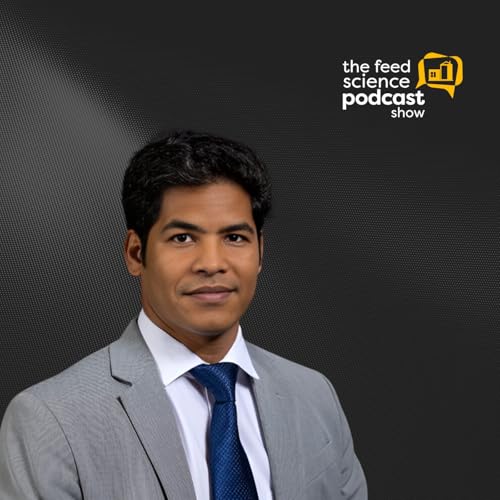
  • Dr. Elias Uddin: Carbon Footprint Trade-Offs | Ep. 140
    Mar 4 2026

    In this episode of The Feed Science Podcast Show, Dr. Elias Uddin, Assistant Professor at the University of Connecticut, explains how life cycle assessment helps evaluate feeds, feed additives, and production systems in dairy nutrition. He discusses carbon footprint, trade-offs across animals, manure, and cropping systems, and why whole farm analysis matters for environmental and economic decisions. Learn practical insight for feed and nutrition professionals focused on sustainability and performance. Listen now on all major platforms!


    “At the farm scale, differences seen at the manure level can shrink significantly when all system components are considered.”


    Meet the guest: Dr. Elias Uddin is a tenure-track Assistant Professor at the University of Connecticut, specializing in ruminant nutrition and life cycle assessment modeling. His work focuses on improving the productivity, efficiency, and environmental sustainability of dairy production systems through feed evaluation and systems analysis.


    Liked this one? Don’t stop now — Here’s what we think you’ll love!


    What will you learn:

    • (00:00) Highlight
    • (01:12) Introduction
    • (03:01) LCA basics
    • (07:57) Agricultural applications
    • (13:11) Feed evaluation
    • (19:52) Additive impacts
    • (28:37) Future trends
    • (37:24) Final Questions


    The Feed Science Podcast Show is trusted and supported by innovative companies like:


    * DietForge

    * Kemin

    * Evonik

    * BinSentry


    - VAL-CO


    𝗟𝗶𝘀𝘁𝗲𝗻 𝗼𝗻 𝗔𝗽𝗽𝗹𝗲 𝗣𝗼𝗱𝗰𝗮𝘀𝘁𝘀, 𝗦𝗽𝗼𝘁𝗶𝗳𝘆 𝗼𝗿 𝗮𝗻𝘆 𝗺𝗮𝗷𝗼𝗿 𝗽𝗹𝗮𝘁𝗳𝗼𝗿𝗺.

    Website: The Feed Science Podcast Show

    Instagram: The Feed Science Podcast Show

    LinkedIn: The Feed Science Podcast Show

    Más Menos
    38 m
  • Dr. Andre Pereira: Dairy Feed in Low Margins | Ep. 139
    Feb 25 2026

    In this episode of The Feed Science Podcast Show, Dr. Andre Pereira, independent nutrition and management consultant, explains how low milk prices are reshaping dairy nutrition and feed manufacturing strategies. He discusses market drivers, cost control without harming performance, fat and protein formulation decisions, and practical actions for feed mills to support producers. Learn strategic insights to protect profitability in challenging margins. Listen now on all major platforms!


    “Cutting costs without understanding biological consequences can reduce future milk production and delay recovery when markets improve.”


    Meet the guest: Dr. Andre Pereira is an independent nutrition and management consultant at GPS Dairy Consulting, working extensively across the Upper Midwest and Europe. A veterinarian with a PhD in Animal Nutrition from the University of New Hampshire, his work focuses on dairy nutrition, feed efficiency, and farm profitability.


    Liked this one? Don’t stop now — Here’s what we think you’ll love!


    What will you learn:

    • (00:00) Highlight
    • (01:02) Introduction
    • (04:01) Milk supply pressure
    • (09:19) Cost performance balance
    • (11:23) Ingredient strategies
    • (13:47) Milk fat biology
    • (18:18) High oleic soybeans
    • (29:11) Final Questions


    The Feed Science Podcast Show is trusted and supported by innovative companies like:


    * Kemin

    * DietForge

    * Evonik


    - VAL-CO


    𝗟𝗶𝘀𝘁𝗲𝗻 𝗼𝗻 𝗔𝗽𝗽𝗹𝗲 𝗣𝗼𝗱𝗰𝗮𝘀𝘁𝘀, 𝗦𝗽𝗼𝘁𝗶𝗳𝘆 𝗼𝗿 𝗮𝗻𝘆 𝗺𝗮𝗷𝗼𝗿 𝗽𝗹𝗮𝘁𝗳𝗼𝗿𝗺.

    Website: The Feed Science Podcast Show

    Instagram: The Feed Science Podcast Show

    LinkedIn: The Feed Science Podcast Show

    Más Menos
    31 m