Episodes

  • Episode 132 - Elmer T. Lee
    Mar 26 2026

    Send us Fan Mail

    The bourbon world loves a loud debate, and Elmer T. Lee seems built to start one: is it a smooth classic that earned its reputation, or is it an “allocated” name that rides on scarcity and Buffalo Trace hype? We pour a 90 proof single barrel sour mash and give you the honest read, including why some drinkers call it too simple while others will happily pay double or triple retail just to keep it on the shelf.

    Along the way, we share some real-life updates from the Whiskey Brothers universe. Our group is growing, the bottle count is growing, and we’re moving from a residential setup into a larger commercial space north of Chicago. There’s a rehab plan, new windows and floors, fresh paint, and a big new bar build so we can host tastings the way they should be: comfortable, social, and focused on sharing good whiskey with good people.

    Then it’s all tasting and context. We talk Buffalo Trace mash bill #2 and the high rye angle, what “single barrel” really means in practice, and why distribution and allocation can make a $40 to $50 bourbon feel like a unicorn. We also touch the legacy piece: Elmer T. Lee is often credited with bringing single barrel bourbon to the mainstream, plus the fun detail that he liked his pour over ice with a splash of 7 Up.

    Expect classic notes like vanilla, brown sugar, light oak, a hint of cinnamon, and a finish that fades faster than you might want, which leads straight into the real question: what price makes this a “buy” versus a hard pass? If you like bourbon reviews, Buffalo Trace comparisons, and practical buying advice for allocated whiskey, hit play, subscribe, share it with a friend, and leave us a quick review. What’s the most you’d pay for Elmer T. Lee?

    Show more Show less
    17 mins
  • Episode 131 - Elijah Craig Barrel Proof Rye A925
    Mar 10 2026

    Send a text

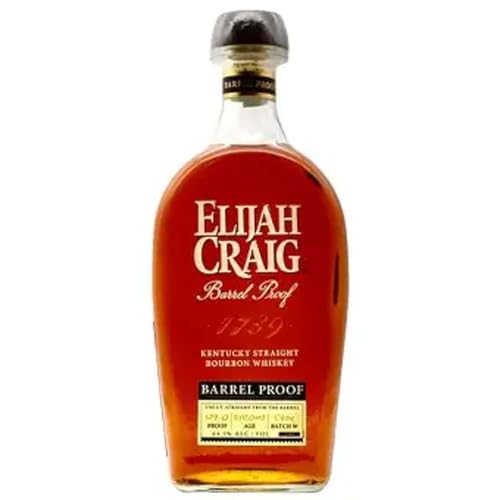
    A rye that drinks like a bourbon doesn’t come along every day. We tracked down the Elijah Craig Barrel Proof Rye that snagged Whiskey Advocate’s top spot and put it through a full, honest taste test—then geeked out on why this release hits different. Think 12 years and 3 months in wood, 108 proof, and a mashbill that leans Heaven Hill classic. On the nose we found roasted nuts and cocoa instead of mint. On the palate it’s balanced and sweet-leaning—brown sugar, chocolate, seasoned oak—with a finish that lands like peppered steak: savory, tidy, and memorable without the burn.

    We also decode the A-B-C batch cadence and what A925 means for collectors, plus why barrel proof bottlings give a brand real credibility with serious whiskey drinkers. The conversation widens to the shifting whiskey market: fewer flashy new SKUs, more well-aged stock finally coming of age. That context matters, because age at a fair price is rare, and this bottle delivers a compelling value proposition. If you’ve avoided rye because of mint and red-hot spice, this pour might change your mind; if you’re a rye diehard, it offers nuance over noise and proof that patience shows in the glass.

    If you love whiskey that balances character with approachability, hit play and pour along. Subscribe, rate, and leave a review with your score—did this rye win you over or are you still team bourbon?

    Show more Show less
    26 mins
  • Episode 130 - Four Roses Barrel Strength OESK
    Feb 16 2026

    Send us Fan Mail

    A beat you can feel, a pour you can taste. We start with Outkast to set the mood, then turn to a Four Roses Single Barrel, Barrel Strength OESK that sparks a full-on exploration of how four letters can steer your bourbon journey. Our bottle is a 10-year, 4-month store pick at 116 proof, and it delivers the kind of balance that makes you sit up: maple and cherry on the nose, a first-hit pop of heat that settles into cinnamon-raisin toast, and a dry, mint-tinged finish that invites another sip.

    We break down the Four Roses code so you can shop smarter. The second letter signals mash bill—E for higher rye, B for lower rye—while the fourth letter reveals the yeast strain—V, K, O, Q, or F—each pushing the whiskey toward fruit, spice, floral, or herbal notes. Our take may surprise you: yeast character often shapes the glass more than mash bill once you’re already in rye territory. That’s why K, often called the “spice anchor,” can make even a lower-rye bourbon feel lively. Pair that with a decade in oak and you get structure without harshness.

    We also demystify store picks. These selections reflect a retailer’s palate and influence how consistent or special a bottle feels. We talk age windows—why OESK hits its stride around ten to eleven years—and value at the $100 mark, where transparency meets quality. If you want to build a palate rather than chase hype, Four Roses gives you the tools: read the letters, note the proof, consider the age, and discover what you actually like.

    We close with straight ratings—4.0 and 3.75—and clear buying advice so you can find your own winner. If music that refuses a box is your soundtrack, this bourbon that refuses easy labels is your companion. Tune in, subscribe for more candid tastings and practical buying tips, and drop your favorite Four Roses recipe code in a review so we can chase it next.

    Show more Show less
    24 mins
  • Episode 129 - E.H. Taylor Bottled-in-Bond, 2025 BTAC
    Feb 3 2026

    Send us Fan Mail

    After trading allocated bottles from historic brands, and a question every bourbon fan wrestles with: when does hype outpace the pour? We put E.H. Taylor Bottled-in-Bond from the Buffalo Trace Antique Collection on the table after swapping out a Pappy 10 (Old Rip) and some cash to find out if the first-ever 100-proof BTAC earns its secondary price—or simply its place in history.

    We set the scene with why “first and only” matters here: not a one-time release, but the only bottled-in-bond in BTAC’s lineage. Then we walk through the proofing journey, from 140 proof off the still, to 125 proof into barrel, to a composed 100 in glass, along with how water choice, temperature, and integration shape the final profile. With a massive 62 percent angel’s share over 15 years and 4 months, the bourbon promises concentration, yet it prioritizes balance over brute force. On the nose, we pick up apple, maple sweetness, vanilla, caramel, and oak. The palate drifts from a quick black licorice flash to soft fruits and an elegant finish of brown sugar, cinnamon, and light pepper. The surprise is the mouthfeel—clean and approachable rather than the heavy oil and intensity BTAC fans expect from Stagg or WLW.

    That contrast leads to the big debate: is elegance at 100 proof a feature or a flaw in a lineup famed for high-octane hitters? This is excellent at MSRP and a meaningful step up from standard E.H. Taylor bottled-in-bond, but a tough sell at eight times retail on the secondary market. If you love the Taylor profile and want a milestone bottle, it’s a smart pick near retail. If you’re chasing BTAC thunder, look toward Stagg or WLW. For those building value-forward shelves, we also highlight standouts like Elijah Craig Barrel Proof, Bardstown Bourbon Company releases, Ezra 7, New Riff single barrels, and reliable daily sippers when you can find them.

    Pour one, press play, and tell us where you land on rarity vs. flavor. If you enjoyed this breakdown, follow, share the show with a friend who loves bourbon hunts, and leave a review—your feedback helps more whiskey lovers find us.

    Show more Show less
    29 mins
  • Episode 128 - Jack Daniel's Single Barrel - Heritage Barrel
    Jan 24 2026

    Send us Fan Mail

    A single barrel Tennessee Whiskey with a blue label. We crack open Jack Daniels Single Barrel Heritage Barrel and follow the trail doubling Jack Daniel's standard toasting time to that unmistakable Tennessee smoothness, asking why this release hits sweeter on the tongue, flares pepper through the mid-palate, and settles into a tobacco echo that begs for a square of chocolate or a quiet cigar. Brian from Bottle2Bond joins us for a pour that turns skeptics into believers, spotlighting the difference toasted oak and maple charcoal filtering make without losing the Jack character fans love.

    We start with the signature banana-versus-not debate and move into the mechanics that shape it: non-chill filtration for texture, a lower entry proof for balance, and a quick, flare char that preserves the caramelized toast. Brian shares firsthand experience with multiple Jack Daniel's single barrels—mostly stellar, but not all of them—reminding us that single barrel means there will be small variations, but most of the time they are worth chasing. We also map the release details, pricing around $70, and why this line is meant to stay on shelves rather than vanish into hype.

    Beyond the glass, we dive into whiskey culture. Distillery tours that surprise, barrel picks that educate, and the Tennessee Squire Association—invite-only, rooted in heritage—show how community anchors the pour. Brian brings a maker’s angle too, walking us through his Bottle2Bond travel whiskey glass built for real-world bottle shares: compact, tough, and discreetly measured so you can taste smarter. We wrap with our SIP method—shareability, influence, price and end with a confident recommendation for anyone curious about toasted oak, Tennessee tradition, and a finish that lingers with purpose.

    Pour a glass, press play, and tell us what you taste—banana, graham cracker, pepper, tobacco, or something we missed. If you enjoy the show, follow, share it with a whiskey friend, and leave a quick review so more listeners can find their next great pour.

    Show more Show less
    38 mins
  • Episode 127 - Elijah Craig Barrel Proof C925
    Jan 8 2026

    Send us Fan Mail

    A trusted favorite doesn’t always hit the same—and that’s exactly why we poured Elijah Craig Barrel Proof C925 and talked through what’s changing in bourbon right now. We start with the big headline: Jim Beam plans to halt production at its main distillery for 2026. Instead of doom, we see a rational move in a market correcting after years of explosive demand. Tariffs, softer export lanes, and a small but real drop in U.S. alcohol consumption—especially among younger adults—are nudging distillers to manage inventory, not abandon bourbon.

    From there, we get curious about how supply cycles and consumer trends shape what’s in your glass. Bourbon survived the mid-century slump, roared back in the 90s, and now sits firmly in the premium spirits tier alongside vodka, tequila, gin and rum. That foundation matters. Diversified portfolios, global distribution, and deeper brand equity make a collapse unlikely. What’s more probable? Easier finds on the shelf, more balanced pricing, and a steady stream of aged releases as warehouses remain full.

    Then we taste. C925 arrives at 129 proof with a rare single-digit age statement for the line— 9 yrs, 1 month. On the nose we find vanilla-forward sweetness with a touch of apple and restrained oak. The palate is syrupy with raisin and cinnamon heat, more punch than depth, and a finish that reads younger than past batches. It’s not a bad pour—just a reminder that proof and age need balance. At $70 to $90, it’s still a solid value, but if you’re new to Elijah Craig Barrel Proof, consider waiting for the next A-batch, which often brings a bit more age and complexity.

    We wrap with practical buying advice, some banter about Dry January, and a preview of our top whiskies list. If you love bourbon’s craft and culture, this conversation gives you a clear lens on market shifts and a grounded take on a hyped bottle. Enjoy the listen, then tell us your C925 rating and whether you’re seeing fuller shelves where you shop. If you’re into honest reviews and smart insights, follow, share, and leave a quick rating so more whiskey fans can find the show.

    Show more Show less
    29 mins
  • Episode 126 - Russell's Reserve 13yr with Syrena of ShortStuffBourbon
    Dec 29 2025

    Send us Fan Mail

    A Tennessee farm kid turned bourbon influencer, Syrena—known as @shortstuffbourbon—joins us for a pour that stirs opinions and memories. We kick off with her roots in Tennessee, where corn isn’t just a crop but a bridge to whiskey, and trace how that background shaped her approach to tasting, teaching, and building a welcoming corner of whiskey Instagram.

    From there, we explore the current state of bourbon: pricing that keeps creeping up, the gap between MSRP and secondary, and why consistency might be the most underrated flex in bourbon. We compare notes on house pours and honest shelf buys, call out the perils of “best-of” lists stacked with expensive trophies, and share practical ways to shop by palate instead of hype. If you’re tired of chasing unicorns, you’ll find a roadmap here—reliable distilleries, smart everyday bottles, and the freedom to like what you like.

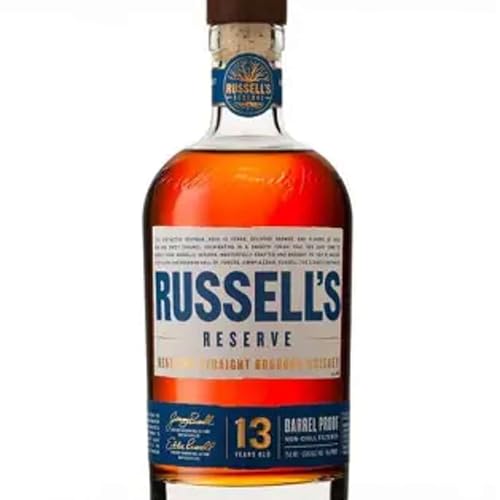
    Then we taste. Russell’s Reserve 13year does not disappoint. The nose shows classic bourbon comfort—vanilla, caramel, warm baking spice—with that unmistakable Wild Turkey “dusty” note. On the palate, Syrena nails a sweet tea impression surrounded by honey, dark chocolate, dried fruit, and a late pepper flick. The non-chill filtered texture brings a rich, oily mouthfeel, and the finish stacks spice in steady layers. We debate where Russell’s 13 year lands in our personal rankings, what Bruce Russell’s stewardship might mean for the brand, and how to invite new drinkers in—start with cocktails, turn down the sugar, and move toward neat when it feels right.

    If you enjoy real talk about value, thoughtful tasting notes, and a guest who champions craft and community, you’ll feel right at home. Tap follow, share this episode with a bourbon friend, and drop your current top bottle in a review—we’ll feature our favorites on a future show.

    Show more Show less
    43 mins
  • Episode 125 - Parker's Heritage 2025 - 19th Edition, with Adam from The Whiskey Social
    Dec 19 2025

    Send us Fan Mail

    Cold nights, classic rock, and a high proof pour that refuses to behave. We’re joined by Adam, the mind behind The Whiskey Social app, to unpack how running a Tennessee pizza restaurant franchise with 400-plus whiskey lists turned into a location that finally fixes the collector’s headache: out-of-date bar menus, scattered bottle notes, and no easy way to find the best pours in a new city. His, The Whiskey Social, app puts everything in one place—track your collection, post your photos and ratings, discover bars and distilleries on an interactive map, and soon join public or private clubs that move bottle shares and local meetups off clunky platforms and into a space built for whiskey lovers.

    From there we pour Parker’s Heritage 2025 - 19th Edition, a Heaven Hill blend that surprises at every step: 40 percent 15-year wheated bourbon, 40 percent 12-year American whiskey made from a 50-50 rye and malted barley mash bill, and 20 percent 11-year corn whiskey, all bottled at 122.5 proof. The nose teases apple, baking spice, candy-like bubblegum and a high alcohol makeup. The palate shifts hard to rye spice, seasoned oak, cocoa, and a slow, sticky finish that feels like a campfire in December. We talk who it suits (proof chasers, absolutely), when to pour it (cold nights), and how to think about price when retail sits around $180 and secondary tags climb into the $400's.

    Along the way, we explore why bourbon hasn’t “died,” it’s just matured; how craft instincts carry over from beer to cocktails to whiskey; and why small changes—grain bills, char levels, climate—create big differences in the glass. Adam breaks down fair-by-the-ounce pricing at his bars, the realities of access through distributors, and the hard work of building an accurate database by hand so the map actually helps you drink better.

    If you enjoy thoughtful, high-proof conversations paired with useful tools for how and where to sip, this one’s for you. Subscribe, share with a friend who loves a good pour, and leave a quick review so more whiskey folks can find us.

    Show more Show less
    43 mins