• Study with ADHD: How to Overcome Executive Dysfunction
    Mar 31 2026

    https://infocusfirst.com/how-to-study-with-adhd/

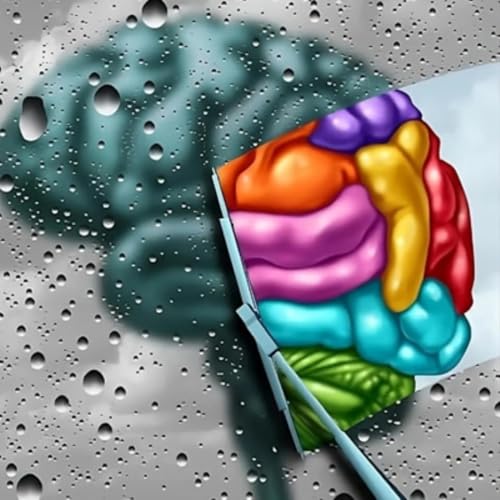
    It is so important to remember that this is not laziness. Your brain is simply wired differently, and traditional study methods are often not built for you. Instead of forcing yourself into a neurotypical mold, you can reframe your approach. By tailoring your environment and habits to fit your unique needs, you can empower yourself to stay on track and thrive. So the question is: How do I study with ADHD?

    Sitting down to study when you have ADHD can feel incredibly frustrating. You want to complete your work, but you find yourself staring at the page unable to start. This paralyzing feeling is known as executive dysfunction. It often brings a heavy wave of guilt, making you feel like you just aren't trying hard enough.

    Show more Show less
    6 mins
  • Red Flags in Mental Health: How to Spot a Bad Provider Before It's Too Late
    Mar 18 2026

    https://infocusfirst.com/mental-health-age-of-ai/

    Most people don't get worse because they didn't want help. They get worse because they chose the wrong help.


    In 2026, the mental health landscape is more crowded and more dangerous than ever. AI therapists, 7-minute med visits, ADHD apps that approve everyone, and subscription services with hidden fees have created a system

    where patients are routinely underserved and left wondering what went wrong.


    In this episode, Jessica Walsh, board-certified psychiatric nurse practitioner and founder of IN Focus First, breaks down:

    → Every type of mental health provider available in 2026

    → 9 red flags that should send you looking elsewhere

    → What gold-standard psychiatric care actually looks like

    → The truth about medications in an overcrowded market

    → How to prepare for your first appointment


    If you've been burned before, felt dismissed, or simply don't know where to start this episode is for you.

    ─────────────────────────

    RESOURCES

    ─────────────────────────

    Full guide → infocusfirst.com/mental-health-age-of-ai/

    Book a First Step Session → infocusfirst.com/psychiatry-services/

    Instagram → https://www.instagram.com/infocusfirst_psych4u/

    ─────────────────────────

    DISCLAIMER

    ─────────────────────────

    This podcast is for informational purposes only and does not constitute medical advice, diagnosis, or treatment. Always consult a qualified mental health provider regarding your individual situation.

    Show more Show less
    19 mins
  • Why Does Caffiene Make People with AdHD Tired
    Mar 13 2026

    https://infocusfirst.com/why-caffeine-calms-adhd-brains/


    Show more Show less
    5 mins
  • RSD and ADHD | Rejection Sensitivity Dysphoria and ADHD
    Mar 13 2026

    https://infocusfirst.com/what-is-rsd-rejection-sensitive-dysphoria-adhd/ If you’re asking “Why do I take rejection so hard” “Why does criticism ruin my day” or “Why do ADHD people overreact” — you’re not alone, and there are real physiological reasons behind it.

    Some people with ADHD overreact and some people with ADHD do not take rejection well, instead experiencing an intense emotional reaction to rejection. Psychiatrists call this rejection sensitive dysphoria (RSD).

    This episode covers:

    • Signs of rejection sensitivity
    • Why Criticism Hurts More with ADHD
    • The brain science behind rejection sensitivity
    • What rejection sensitive dysphoria (RSD) actually is
    • How ADHD treatment helps emotional regulation
    • Rejection and ADHD Frequently Asked Questions (FAQ)
    • Is RSD an official diagnosis?
    • How is RSD related to ADHD?
    • Can you have RSD without ADHD?

    Learn More at https://infocusfirst.com

    Show more Show less
    23 mins
  • Can Adderall Make You Tired? Causes, Crashes, And What To Do
    Mar 10 2026

    https://infocusfirst.com/can-adderall-make-you-tired/ Can Adderall make you tired instead of focused? Can Adderall make you sleepy? Yes—and it’s a known neurobiological response, not a failure of treatment. This 2026 clinical deep dive explains Adderall fatigue, Adderall crashes, and exactly what to do when stimulants slow you down instead of speeding you up.

    If you’ve experienced the “Adderall nap,” afternoon crashes, or that wired-but-exhausted feeling, this video breaks down what’s actually happening in the brain—and why quitting the medication is often the wrong move.

    This podcast is for you if Adderall causes:

    • Sudden afternoon crashes

    • Feeling wired but exhausted

    • Brain fog or emotional flatness

    • Shakiness or hollow fatigue

    • Sleepiness shortly after dosing

    • Loss of motivation or personality

    What’s really happening:

    • Adderall crash = fatigue when medication wears off (rebound fatigue)

    • Paradoxical fatigue = fatigue at peak dose due to overstimulation, burnout, or nervous system shutdown

    Topics covered:

    • Why stimulants can cause fatigue instead of energy

    • Rebound fatigue vs paradoxical fatigue (not the same thing)

    • Immediate-release vs extended-release Adderall crashes

    • The dopamine “Goldilocks zone” and why too much feels sedating

    • “Wired but tired” and emotional flattening explained

    • Blood sugar crashes from appetite suppression

    • Why protein (tyrosine) is essential for dopamine production

    • Sleep debt, cortisol, and stimulant-driven burnout

    • ADHD, anxiety, and nervous system safety shutdown

    • When lowering the dose works better than increasing it

    • When Adderall may simply be the wrong medication

    What to do instead of quitting:

    • Optimize dose and release profile

    • Fix fueling first: protein-forward breakfast, hydration, scheduled meals

    • Address sleep debt before escalating stimulants

    • Use fatigue as diagnostic data—not a side effect to ignore

    In this podcast:

    00:00 Why stimulants can cause fatigue

    02:10 Adderall rebound crashes explained

    04:00 Dose too high: dopamine overload

    06:00 Blood sugar and protein collapse

    08:30 Burnout, anxiety, and shutdown

    10:40 What to change before quitting

    This podcast addresses ADHD medication side effects including stimulant fatigue, dopamine dysregulation, Adderall XR vs IR crashes, ADHD burnout, and medication-induced exhaustion.

    Content is grounded in clinical psychiatry frameworks and neurobiological research—not anecdote or hype.

    If Adderall makes you tired, flat, or ready to nap, this is not tolerance and it’s not you “failing” medication.
    It’s a signal—about dose, timing, fuel, sleep, or nervous system overload.

    This video walks through which signal you’re getting and what to change before quitting or increasing the dose.


    #Adderall fatigue#Can Adderall make you tired#Adderall crash#Adderall rebound fatigue#Paradoxical fatigue ADHD#Adderall makes me sleepy#Adderall nap#Wired but tired ADHD#ADHD stimulant exhaustion#Adderall side effects tired#Adderall XR vs IR#ADHD burnout#Dopamine overstimulation#ADHD medication crash#Why Adderall stops working#Adderall dosage too high#ADHD brain fog medication#Stimulants and fatigue#InFocus First psychiatry#ADHD neurobiology


    https://infocusfirst.com/book-appointment/

    Show more Show less
    14 mins
  • Why ADHD Causes Hyperfocus
    Mar 8 2026

    https://infocusfirst.com/why-adhd-causes-hyperfocus/

    In this deep dive, we unpack how a condition known as ADHD that is defined by an "attention deficit" can lead to periods of intense, unyielding hyperfocus.

    While the medical label for ADHD focuses on the absence of attention, the lived experience often involves an overwhelming abundance of it. We go "under the hood" of the ADHD brain to explain the mechanics of why you can struggle to focus on a simple spreadsheet for five minutes, yet spend six hours flawlessly formatting a creative project without looking up.

    In this episode, you’ll learn:

    • The Dopamine Deficit: How a lower baseline of dopamine causes the brain to latch onto high-interest tasks with a "vice grip" as a biological survival strategy.

    • The Relay Race Failure: Why the transition between the Default Mode Network (rest) and the Task Positive Network (focus) is often delayed or disrupted in ADHD brains.

    • The Weak Braking System: The role of the Frontal Lobe and why the ADHD brain lacks the internal "brakes" necessary to stop a momentum-heavy focus session.

    • ADHD Time Management Strategies: Practical tips for using external scaffolding, like visual timers and intentional scheduling, to harness the gift of hyperfocus while minimizing the "psychological whiplash" of interruptions.

    Stop viewing your focus as a moral failure and start understanding your neurobiology. Whether you have ADHD or support someone who does, this episode offers the clarity and grace needed to navigate a "sticky" brain in a fast-paced world.

    Show more Show less
    18 mins
  • Why ADHD Brains Work Better Under Pressure
    Mar 8 2026

    https://infocusfirst.com/why-adhd-brains-work-better-under-pressure/

    Do you find yourself doing your best work just minutes before a deadline? You aren’t lazy, and you aren’t broken, you’re operating on an alternative biological timeline.

    In this episode, we dive deep into the fascinating neurobiology of the ADHD brain to explain why "normal" productivity advice like planners and small steps often fails. We explore the Dopamine Gap, the natural chemical deficit that makes routine tasks feel like moving through molasses, and the Adrenaline Bridge, the biological phenomenon that provides a sudden burst of clarity during high-pressure situations.

    Key topics covered in this episode:

    • Executive Dysfunction vs. Laziness: Why the "blank screen paralysis" is a physical friction, not a character flaw.

    • The Prefrontal Cortex "CEO": How intense pressure acts as a "fire alarm" to finally activate the brain’s executive functions.

    • Healthy Simulated Urgency: Practical strategies like Body Doubling to create focus without the burnout of a constant crisis.

    • The Role of Medication: How treatment can address the root neurological deficit by restoring baseline neurotransmitter levels.

    Stop fighting your biology and start working with it. Learn how to release the guilt of procrastination and leverage your "crisis-mode superpower" for a more sustainable, successful life.

    Show more Show less
    18 mins
  • Heart Attack Symptoms vs Panic Attacks | What's Actually Happening
    Feb 24 2026

    https://infocusfirst.com/do-i-need-an-emergency-room-or-is-it-my-anxiety/⁠

    Are you experiencing chest pain, shortness of breath, and a racing heart, but are unsure whether it's a heart attack or a panic attack? It's essential to understand the differences between these two medical conditions to seek the right help. A heart attack is a medical emergency that occurs when the blood flow to the heart is blocked, causing damage to the heart muscle. On the other hand, a panic attack is an intense episode of anxiety that can cause symptoms such as hyperventilation, palpitations, and chest tightness. Both conditions can be frightening and debilitating, but it's crucial to recognize the distinct symptoms to receive proper treatment. If you're struggling with anxiety symptoms, such as sudden anxiety, fear symptoms, and breathing issues, it's vital to seek anxiety relief and learn stress relief techniques. In this video, we'll explore the differences between heart attack symptoms and panic attacks, and provide guidance on how to manage anxiety attacks, including panic help and anxiety help. By understanding what's actually happening in your body, you can take the first step towards recovery and find relief from symptoms like a fast heartbeat, breathlessness, and heart palpitations. Whether you're experiencing a panic attack or a heart attack, it's essential to prioritize your mental health and seek medical attention if necessary. By listening here, you'll gain a better understanding of these conditions and learn how to cope with anxiety and stress.


    • anxiety attack
    • anxiety help
    • anxiety relief
    • anxiety symptoms
    • breathing issues
    • breathlessness
    • can't breathe
    • chest pain
    • chest tightness
    • fast heartbeat
    • fear symptoms
    • heart attack
    • heart palpitations
    • heart racing
    • hyperventilation
    • is it panic
    • medical anxiety
    • medical emergency
    • mental health
    • palpitations
    • panic attack
    • panic help
    • panic relief
    • panic symptoms
    • racing heart
    • shortness breath
    • stress relief
    • sudden anxiety

    Release date:

    24 February 2026

    Show more Show less
    5 mins